NAD+
In stock — ships within 48h
1 of 2 sizes available
Select fill size
Bulk Savings
Save more when you buy more — the discount applies automatically.
- Verified by LotEvery batch documented
- Third-Party TestedCOA on every order
- 48h DispatchFast, tracked fulfillment
- Secure CheckoutEncrypted & PCI-compliant
For laboratory research use only. Not for human consumption, therapeutic use, diagnostic use, or veterinary use. By purchasing, you confirm you are qualified to handle research materials.
Research overview
About NAD+
NAD+ (nicotinamide adenine dinucleotide) is a dinucleotide coenzyme present in all living cells, where it participates in cellular redox reactions as a general feature of cellular biochemistry. As a supplied research material it is catalogued under CAS 53-84-9 with the molecular formula C₂₁H₂₇N₇O₁₄P₂ and a reported mass of approximately 663.4 Da. Unlike the peptides in the catalog, NAD+ is a nucleotide coenzyme rather than an amino-acid chain, and it is offered solely as a research-grade compound for qualified laboratory use within the Other Research Materials category.
NAD+ is presented as a white to off-white lyophilized powder and offered in 500mg and 1000mg presentations to accommodate larger-scale laboratory research, reflecting the higher quantities often used in biochemical and in-vitro work. The freeze-dried format is chosen for stability, and the coenzyme is soluble in water for the preparation of research working solutions. Because NAD+ is sensitive to moisture, handling under low-humidity conditions and resealing the container promptly are common laboratory practices. Because NAD+ can hydrolyze in solution over time, working solutions are commonly prepared shortly before use rather than stored at room temperature; keeping aliquots frozen and thawing only what is needed helps preserve a consistent analytical reference.
Each lot is characterized analytically with two complementary methods. Reverse-phase HPLC separates the coenzyme from related species and degradation products using a solvent gradient and resolves it as a dominant chromatographic peak under UV detection, allowing chromatographic purity to be assessed. LC-MS confirms molecular identity by matching the measured mass to the theoretical value for the dinucleotide. Because NAD+ can hydrolyze over time, the chromatographic profile is also a useful indicator that degradation products remain low in the characterized material for that lot.
For research storage and handling, the lyophilized powder is held at -20 °C and protected from both light and moisture, conditions that help limit hydrolysis and preserve the integrity of the coenzyme. Reconstituted solutions are typically aliquoted and kept cold to limit freeze–thaw exposure and degradation, helping preserve a consistent analytical reference. The choice of solvent, working concentration, and handling regime is determined by the researcher according to the requirements of the specific experiment.
Lot-traceable documentation ships with every order: the Certificate of Analysis, the RP-HPLC purity report, and the independent third-party report, each linked to a verifiable lot identifier that ties the records to the supplied material. NAD+ is provided for laboratory research use only. It is not a drug, food, or dietary supplement and is not intended for human consumption, therapeutic use, diagnostic use, or veterinary use.
Technical reference
Product details
Catalog
Related compounds

Spec sheet
- Form
- Lyophilized powder
- Storage
- -20 °C, dark
- Batch docs
- COA included
- Category
- Growth Factors
- Use
- RUO only
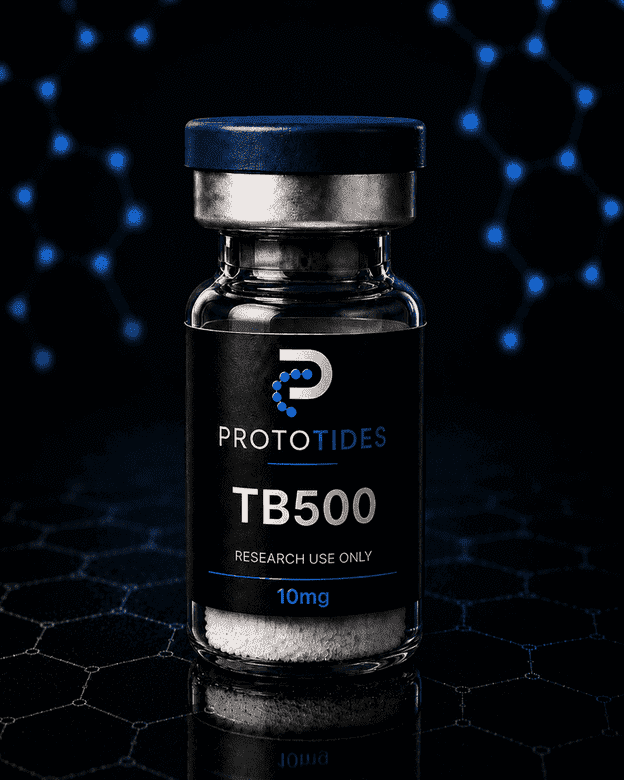
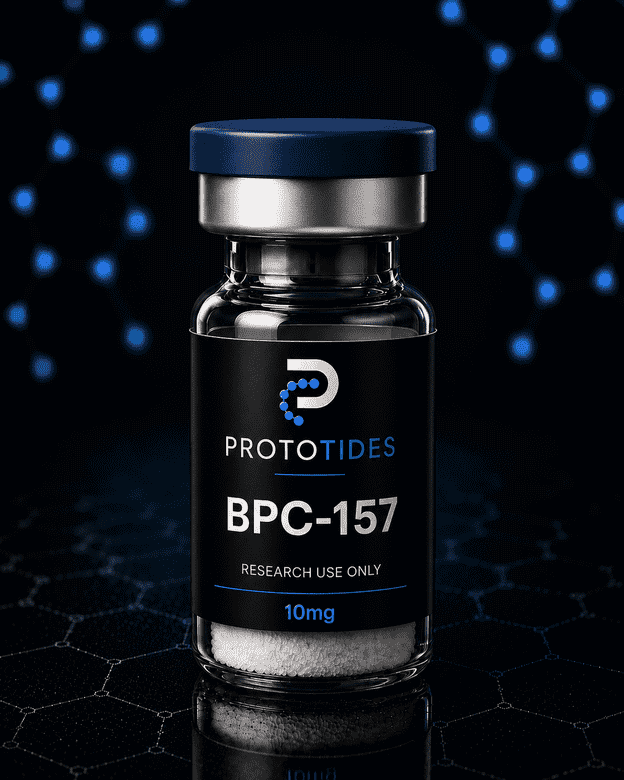
Spec sheet
- Form
- Lyophilized powder
- Storage
- -20 °C, dark
- Batch docs
- COA included
- Category
- Growth Factors
- Use
- RUO only
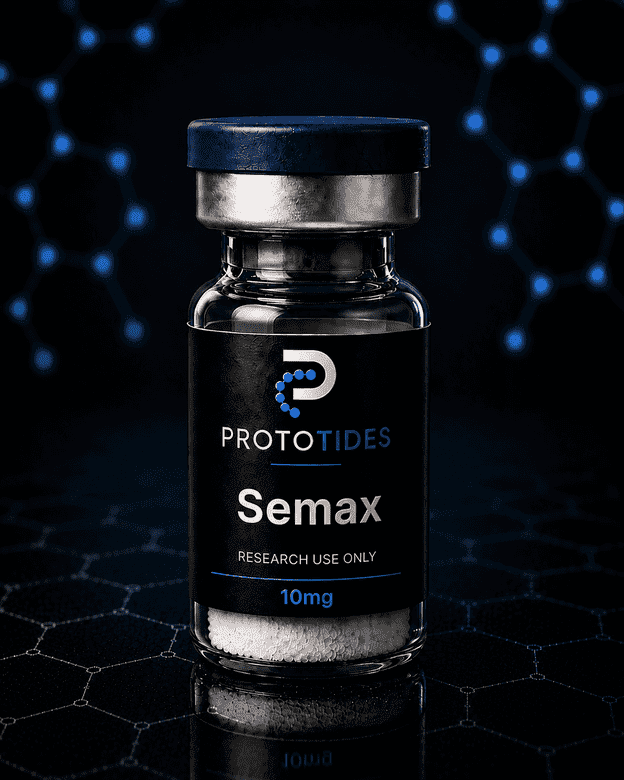
Spec sheet
- Form
- Lyophilized powder
- Storage
- -20 °C, dark
- Batch docs
- COA included
- Category
- Cognitive Research
- Use
- RUO only
Research Library
Research profile & guides
Compound Profiles
NAD+ Research Profile
A reference profile for NAD+, a dinucleotide coenzyme — its molecular identity, how each lot is characterized analytically, the documentation supplied, and moisture-aware storage considerations. Strictly research-use framing.
Documentation
Understanding Certificates of Analysis
A Certificate of Analysis is the analytical record for a specific lot of research material. This guide explains the fields a COA commonly includes, how to read them without overstating conclusions, and where a COA's limits begin.
Storage
Research Material Storage Practices
Storage requirements are material dependent and defined by product-specific documentation. This guide covers general environmental factors, packaging integrity, inventory records, and material status segregation for laboratory workflows.
For research use only. Not for human or veterinary consumption. Not a drug, food, or cosmetic. No therapeutic or diagnostic claims are made. See our research use policy.