BPC-157
All variants sold out
Bulk Savings
Save more when you buy more — the discount applies automatically.
- Verified by LotEvery batch documented
- Third-Party TestedCOA on every order
- 48h DispatchFast, tracked fulfillment
- Secure CheckoutEncrypted & PCI-compliant
For laboratory research use only. Not for human consumption, therapeutic use, diagnostic use, or veterinary use. By purchasing, you confirm you are qualified to handle research materials.
Research overview
About BPC-157
BPC-157 is a synthetic pentadecapeptide — a fifteen-amino-acid chain whose sequence corresponds to a partial fragment of a protein originally identified in gastric juice and described in the scientific literature. It carries the CAS registry number 137525-51-0 and the molecular formula C₆₂H₉₈N₁₆O₂₂, with a reported monoisotopic mass of approximately 1419.5 Da. As a defined synthetic sequence rather than an extract, it is reproducible from lot to lot, and it is supplied strictly as a research material for in-vitro laboratory work by qualified professionals.
Each batch is manufactured by solid-phase peptide synthesis (SPPS), in which the chain is assembled one residue at a time on a solid support before cleavage and purification. The finished peptide is presented as a white lyophilized (freeze-dried) powder. Lyophilization removes water from the purified material, which improves shelf stability, simplifies cold-chain shipping, and supports consistent handling at the bench. The material in this listing is offered in a 10mg presentation intended for analytical and in-vitro research applications.
Identity and purity are characterized for every lot using two complementary analytical methods. Purity is assessed by reverse-phase high-performance liquid chromatography (RP-HPLC), which uses a solvent gradient to separate the target peptide from synthesis-related impurities and resolves it as a single dominant chromatographic peak detected by UV absorbance. Identity is confirmed by liquid chromatography–mass spectrometry (LC-MS), which measures the molecular mass and compares it against the theoretical mass calculated from the sequence. Because the two techniques probe different properties — chromatographic behavior and molecular mass — they provide orthogonal confirmation that the material matches its specification.
For research handling, the lyophilized powder should be stored at -20 °C and protected from light. Once a stock is reconstituted with an aqueous solvent appropriate to the protocol, peptide solutions are generally divided into single-use aliquots to limit repeated freeze–thaw cycles, which helps preserve a stable analytical reference between measurements. Reconstitution solvent, working concentration, and storage of the prepared solution are determined by the researcher according to the requirements of the specific experiment.
Every order ships with lot-traceable documentation: a Certificate of Analysis recording the lot-specific purity, mass confirmation, and release date, together with the RP-HPLC purity report and the independent third-party report. The unique lot identifier ties all of these records to the physical material, so researchers can verify the lot against its documentation before use. This material is sold for laboratory research use only — it is not a drug, food, cosmetic, or dietary supplement, and it is not intended for human consumption, therapeutic use, diagnostic use, or veterinary use.
Research & Studies
Published research
Selected peer-reviewed literature characterizing BPC-157. These are third-party references about the molecule, provided for research context — not claims about the material supplied.
Cell and Tissue Research · 2019 · Gwyer, Wragg & Wilson
Gastric pentadecapeptide body protection compound BPC 157 and its role in accelerating musculoskeletal soft tissue healing
A literature review surveying preclinical, in-vitro and animal-model studies of the pentadecapeptide and its reported interactions with soft-tissue and tendon-derived cells.
Journal of Applied Physiology · 2011 · Chang et al.
The promoting effect of pentadecapeptide BPC 157 on tendon healing involves tendon outgrowth, cell survival, and cell migration
An in-vitro study characterizing the peptide's effects on cultured tendon fibroblasts, examining cell outgrowth and migration under laboratory conditions.
Current Neuropharmacology · 2016 · Sikirić et al.
Brain-gut axis and pentadecapeptide BPC 157: theoretical and practical implications
A review discussing the peptide's stability profile and the range of experimental models used to study it across the published preclinical literature.
Technical reference
Product details
Catalog
Related compounds
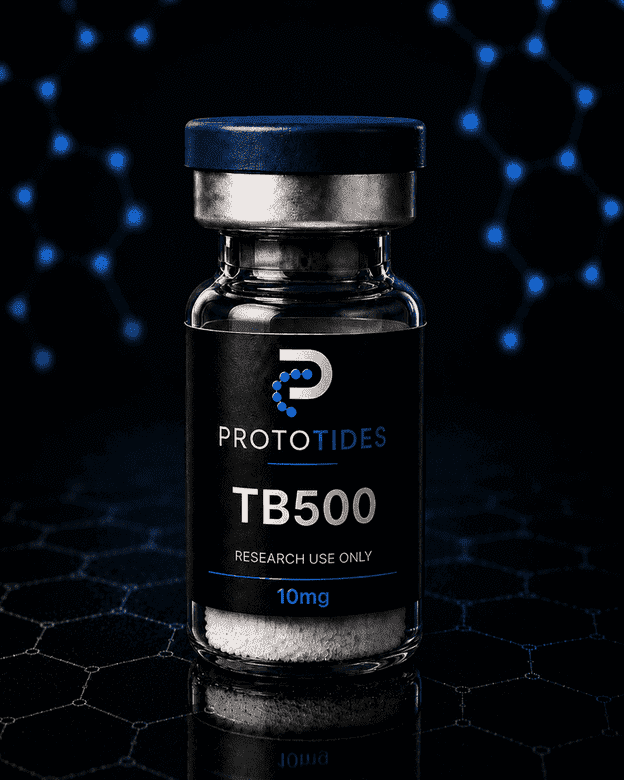
Spec sheet
- Form
- Lyophilized powder
- Storage
- -20 °C, dark
- Batch docs
- COA included
- Category
- Growth Factors
- Use
- RUO only
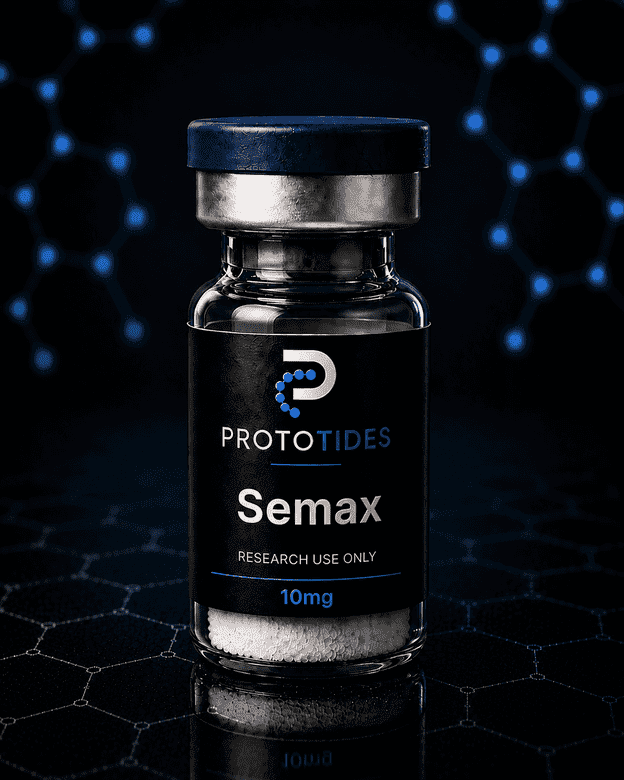
Spec sheet
- Form
- Lyophilized powder
- Storage
- -20 °C, dark
- Batch docs
- COA included
- Category
- Cognitive Research
- Use
- RUO only
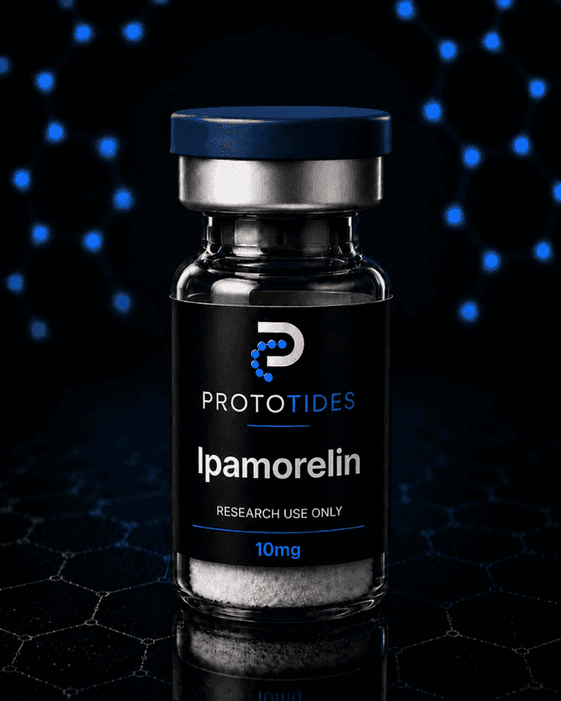
Spec sheet
- Form
- Lyophilized powder
- Storage
- -20 °C, dark
- Batch docs
- COA included
- Category
- Growth Factors
- Use
- RUO only
Research Library
Research profile & guides
Compound Profiles
BPC-157 Research Profile
A reference profile for BPC-157 covering its molecular identity, how identity and purity are characterized analytically, the documentation supplied per lot, and storage and handling considerations — strictly research-use framing.
Documentation
Understanding Certificates of Analysis
A Certificate of Analysis is the analytical record for a specific lot of research material. This guide explains the fields a COA commonly includes, how to read them without overstating conclusions, and where a COA's limits begin.
Storage
Research Material Storage Practices
Storage requirements are material dependent and defined by product-specific documentation. This guide covers general environmental factors, packaging integrity, inventory records, and material status segregation for laboratory workflows.
For research use only. Not for human or veterinary consumption. Not a drug, food, or cosmetic. No therapeutic or diagnostic claims are made. See our research use policy.