MOTs-c
In stock — ships within 48h
2 of 3 sizes available
Select fill size
Bulk Savings
Save more when you buy more — the discount applies automatically.
- Verified by LotEvery batch documented
- Third-Party TestedCOA on every order
- 48h DispatchFast, tracked fulfillment
- Secure CheckoutEncrypted & PCI-compliant
For laboratory research use only. Not for human consumption, therapeutic use, diagnostic use, or veterinary use. By purchasing, you confirm you are qualified to handle research materials.
Research overview
About MOTs-c
MOTS-C is a mitochondrial-derived peptide — a sixteen-residue sequence encoded within the 12S ribosomal RNA region of the mitochondrial genome rather than the nuclear genome. It is catalogued under CAS 1627580-64-6 with the molecular formula C₁₀₁H₁₉₆N₃₄O₃₂S and a reported mass of approximately 2174.9 Da. The supplied material is a defined synthetic version of this sequence, reproducible from lot to lot, and it is offered exclusively as a research material for in-vitro laboratory investigation within the Metabolic Research category.
Produced by solid-phase peptide synthesis, MOTS-C is presented as a white lyophilized powder and offered in 10mg and 20mg presentations to accommodate different research scales. The freeze-dried format yields a dry, stable solid that supports cold-chain shipping and storage, and it reconstitutes reliably into water-based research preparations for bench work. The two size options let researchers select the quantity appropriate to a given analytical or in-vitro study. At sixteen residues and roughly 2175 Da, MOTS-C is a mid-sized peptide; researchers often allow the solvent a short equilibration period and swirl gently rather than vortexing vigorously to bring the full quantity into solution. Recording the reconstitution date against the lot identifier helps track the age of a working solution.
Each lot undergoes analytical characterization with two complementary methods. RP-HPLC separates the sixteen-residue peptide from synthesis-related impurities using a solvent gradient and resolves it as a dominant chromatographic peak under UV detection, allowing chromatographic purity to be assessed. LC-MS confirms molecular identity by matching the measured mass to the theoretical value for the sequence. For a peptide of this length, assembled over many synthesis cycles, the chromatographic profile is a valuable check that the full-length sequence predominates over shorter truncated by-products.
For research storage and handling, the lyophilized powder is held at -20 °C and protected from light. Once reconstituted with a solvent appropriate to the protocol, solutions are typically aliquoted into single-use volumes and kept cold to limit freeze–thaw cycling, which helps preserve a consistent reference across measurements. The reconstitution solvent, working concentration, and handling regime are determined by the researcher according to the requirements of the specific experiment.
Lot-traceable documentation ships with every order: the Certificate of Analysis, the RP-HPLC purity report, and the independent third-party report, each linked to a verifiable lot identifier that ties the records to the supplied material. MOTS-C is provided for laboratory research use only. It is not a drug, food, or supplement and is not intended for human consumption, therapeutic use, diagnostic use, or veterinary use.
Research & Studies
Published research
Selected peer-reviewed literature characterizing MOTs-c. These are third-party references about the molecule, provided for research context — not claims about the material supplied.
Cell Metabolism · 2015 · Lee et al.
The mitochondrial-derived peptide MOTS-c promotes metabolic homeostasis and reduces obesity and insulin resistance
The founding characterization of the 16-residue mitochondrial-derived peptide, examining AMPK signaling and metabolic measures in mouse models.
Nature Communications · 2021 · Reynolds et al.
MOTS-c is an exercise-induced mitochondrial-encoded regulator of age-dependent physical decline and muscle homeostasis
A study examining the peptide's expression in relation to exercise and skeletal-muscle measures across cell and rodent models.
Technical reference
Product details
Catalog
Related compounds
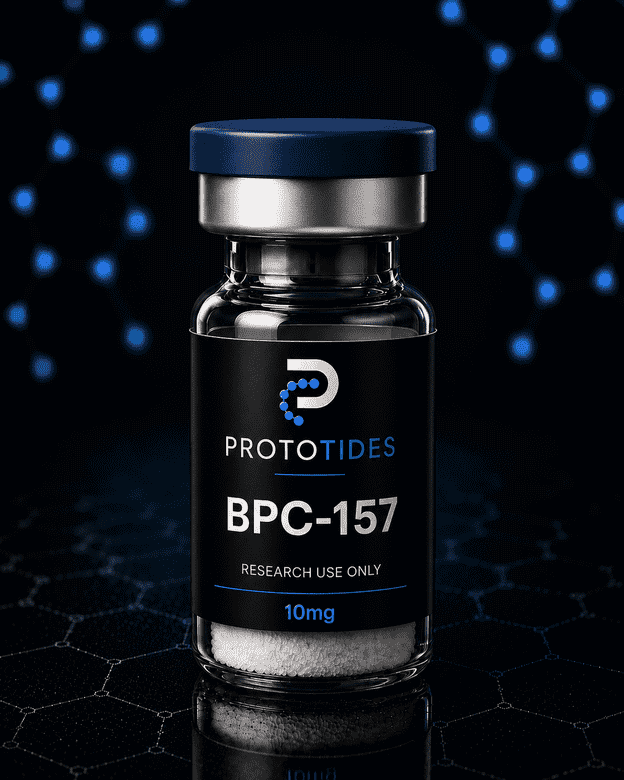
Spec sheet
- Form
- Lyophilized powder
- Storage
- -20 °C, dark
- Batch docs
- COA included
- Category
- Growth Factors
- Use
- RUO only
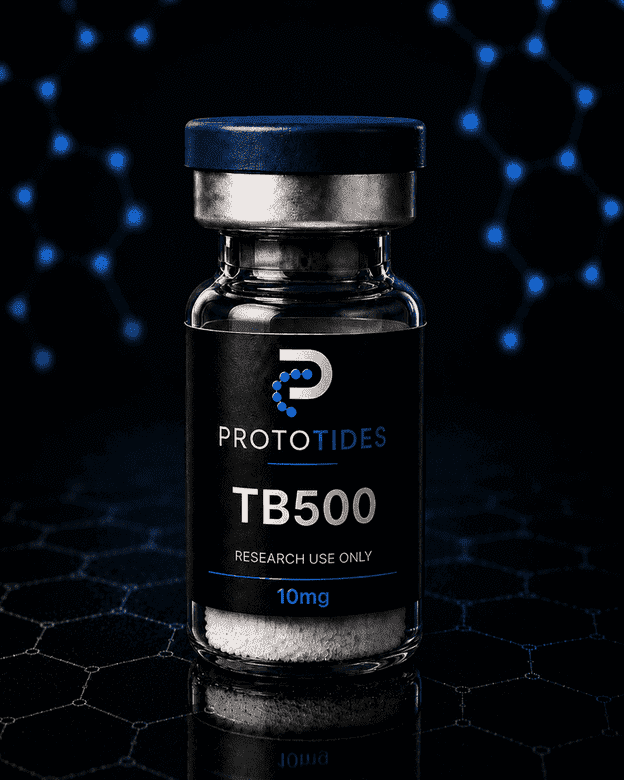
Spec sheet
- Form
- Lyophilized powder
- Storage
- -20 °C, dark
- Batch docs
- COA included
- Category
- Growth Factors
- Use
- RUO only
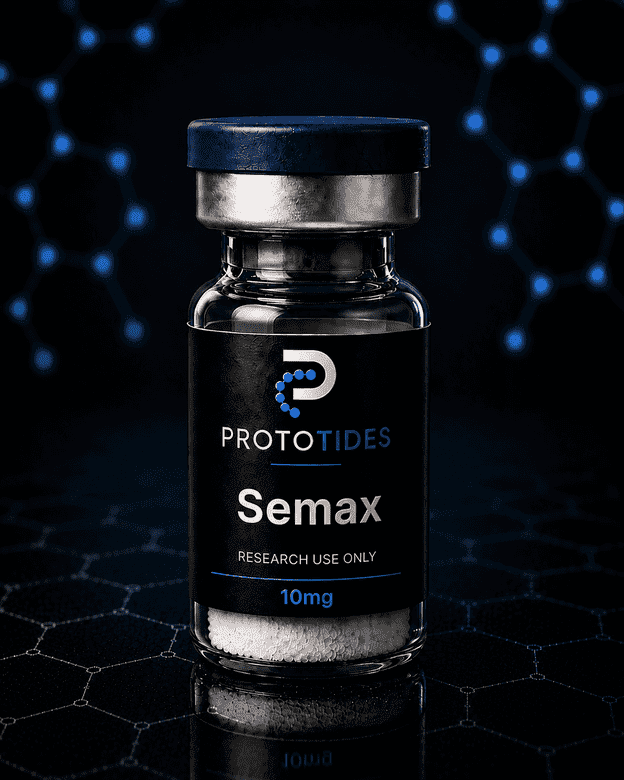
Spec sheet
- Form
- Lyophilized powder
- Storage
- -20 °C, dark
- Batch docs
- COA included
- Category
- Cognitive Research
- Use
- RUO only
Research Library
Research profile & guides
Compound Profiles
MOTS-C Research Profile
A reference profile for MOTS-C, a mitochondrial-derived peptide — its molecular identity, how each lot is characterized by RP-HPLC and LC-MS, the documentation supplied, and storage considerations. Strictly research-use framing.
Documentation
Understanding Certificates of Analysis
A Certificate of Analysis is the analytical record for a specific lot of research material. This guide explains the fields a COA commonly includes, how to read them without overstating conclusions, and where a COA's limits begin.
Storage
Research Material Storage Practices
Storage requirements are material dependent and defined by product-specific documentation. This guide covers general environmental factors, packaging integrity, inventory records, and material status segregation for laboratory workflows.
For research use only. Not for human or veterinary consumption. Not a drug, food, or cosmetic. No therapeutic or diagnostic claims are made. See our research use policy.