KPV
In stock — ships within 48h
Only 5 left in this lot
Bulk Savings
Save more when you buy more — the discount applies automatically.
- Verified by LotEvery batch documented
- Third-Party TestedCOA on every order
- 48h DispatchFast, tracked fulfillment
- Secure CheckoutEncrypted & PCI-compliant
For laboratory research use only. Not for human consumption, therapeutic use, diagnostic use, or veterinary use. By purchasing, you confirm you are qualified to handle research materials.
Research overview
About KPV
KPV is a tripeptide consisting of the residues lysine-proline-valine, corresponding to the C-terminal fragment of the alpha-melanocyte-stimulating hormone (α-MSH) sequence. It is registered under CAS 131180-41-1 with the molecular formula C₁₆H₂₉N₅O₅ and a reported mass of approximately 371.4 Da. As one of the smallest peptides in the catalog, it is a fully defined synthetic sequence that is reproducible from lot to lot, and it is supplied solely as a research-grade material for qualified laboratory use.
KPV is manufactured by solid-phase peptide synthesis and presented as a white lyophilized powder in a 10mg presentation. As a small three-residue peptide it dissolves readily in water-based research preparations, and the freeze-dried format supports stable storage and straightforward handling in a laboratory environment. The compact size of the molecule makes reconstitution quick and predictable when a working solution is prepared for a bench protocol. Because a low-mass peptide of about 371 Da corresponds to a relatively large molar amount per milligram, researchers typically calculate working concentrations with particular care. KPV dissolves quickly and completely in a neutral aqueous solvent with only gentle mixing, and recording the reconstitution date alongside the lot identifier provides a clear reference for the age of any prepared solution used at the bench.
Each lot is characterized analytically using two complementary techniques. Reverse-phase HPLC resolves the tripeptide from synthesis-related impurities using a solvent gradient, presenting it as a single dominant peak under UV detection so that chromatographic purity can be evaluated. LC-MS confirms molecular identity by matching the measured mass to the theoretical value for the sequence. As a low-mass three-residue peptide, its expected mass is precisely defined, and the agreement between measured and theoretical values gives a clear identity check for each lot.
For research handling, the lyophilized powder is stored at -20 °C and protected from light. Once reconstituted with a solvent appropriate to the protocol, solutions are commonly divided into aliquots and kept cold to reduce freeze–thaw exposure, which helps maintain a stable analytical reference. The choice of solvent, working concentration, and handling parameters is left to the researcher and the requirements of the specific experiment.
Every order includes lot-traceable documentation — Certificate of Analysis, RP-HPLC purity report, and independent third-party report — tied to a verifiable lot identifier that can be checked before use. KPV is supplied for laboratory research use only and is not intended for human consumption, therapeutic use, diagnostic use, or veterinary use. No medical or health claims are made about this material.
Research & Studies
Published research
Selected peer-reviewed literature characterizing KPV. These are third-party references about the molecule, provided for research context — not claims about the material supplied.
Inflammatory Bowel Diseases · 2008 · Kannengiesser et al.
Melanocortin-derived tripeptide KPV has anti-inflammatory potential in murine models of inflammatory bowel disease
A murine-model study evaluating the α-MSH-derived tripeptide in two experimental models of intestinal inflammation.
Gastroenterology · 2008 · Dalmasso et al.
PepT1-mediated tripeptide KPV uptake reduces intestinal inflammation
An in-vitro and murine-model study examining PepT1-mediated cellular uptake of the tripeptide and associated markers of intestinal inflammation.
Technical reference
Product details
Catalog
Related compounds
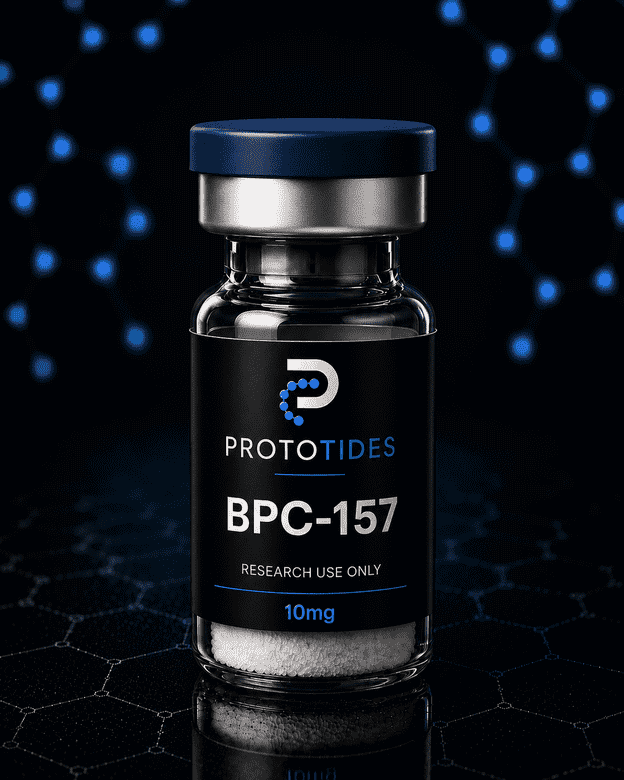
Spec sheet
- Form
- Lyophilized powder
- Storage
- -20 °C, dark
- Batch docs
- COA included
- Category
- Growth Factors
- Use
- RUO only
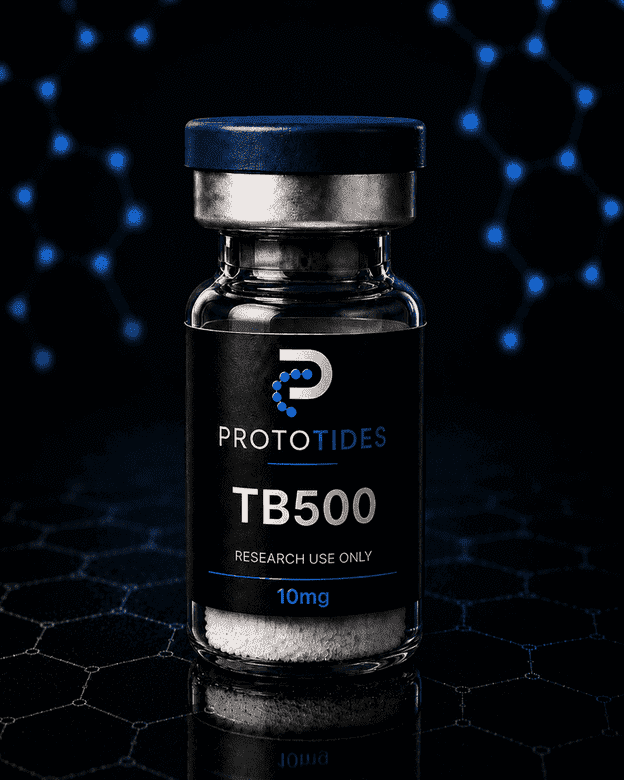
Spec sheet
- Form
- Lyophilized powder
- Storage
- -20 °C, dark
- Batch docs
- COA included
- Category
- Growth Factors
- Use
- RUO only
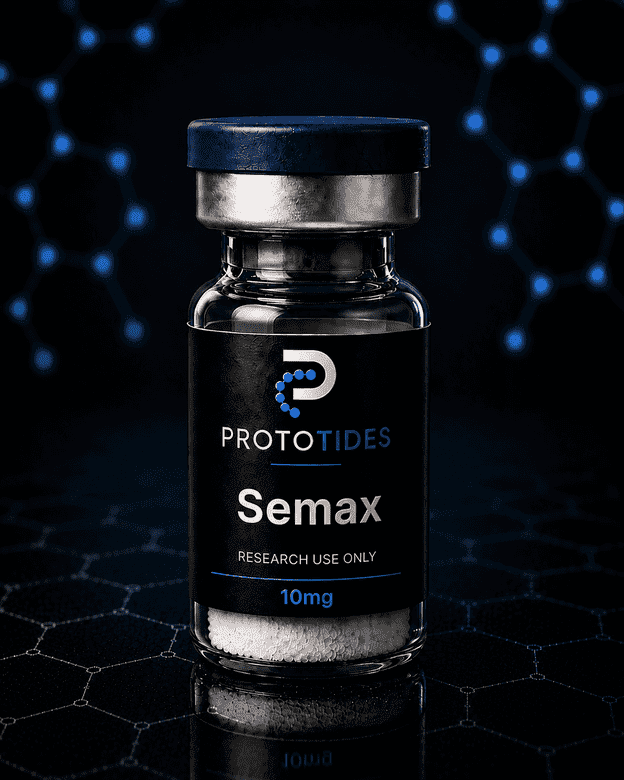
Spec sheet
- Form
- Lyophilized powder
- Storage
- -20 °C, dark
- Batch docs
- COA included
- Category
- Cognitive Research
- Use
- RUO only
Research Library
Research profile & guides
Compound Profiles
KPV Research Profile
A reference profile for KPV, a tripeptide — its molecular identity, how each lot is characterized by RP-HPLC and LC-MS, the documentation supplied, and handling considerations for a low-mass peptide. Strictly research-use framing.
Documentation
Understanding Certificates of Analysis
A Certificate of Analysis is the analytical record for a specific lot of research material. This guide explains the fields a COA commonly includes, how to read them without overstating conclusions, and where a COA's limits begin.
Storage
Research Material Storage Practices
Storage requirements are material dependent and defined by product-specific documentation. This guide covers general environmental factors, packaging integrity, inventory records, and material status segregation for laboratory workflows.
For research use only. Not for human or veterinary consumption. Not a drug, food, or cosmetic. No therapeutic or diagnostic claims are made. See our research use policy.